Research and other interests
Surface Science
 My
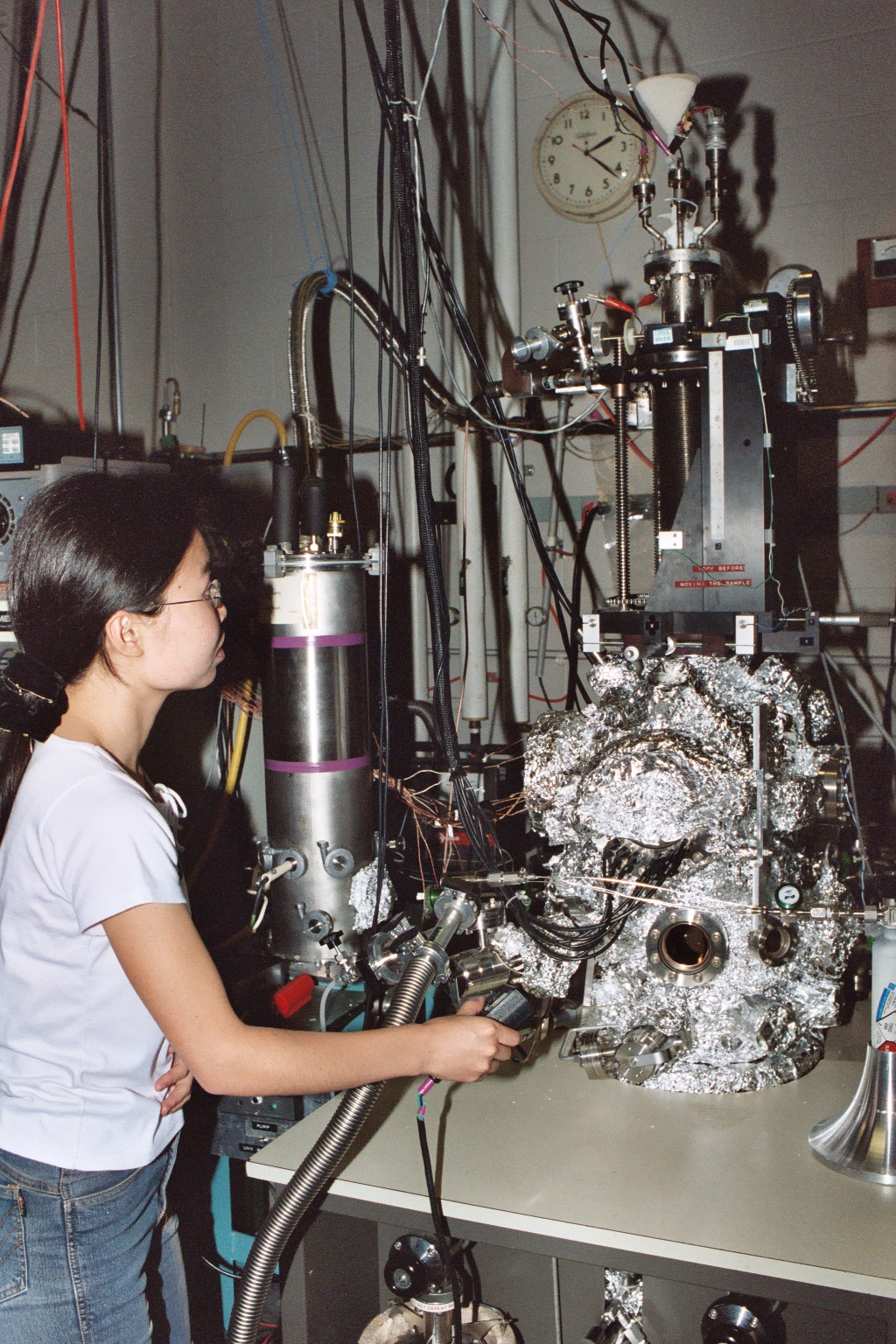
primary area of
research is experimental surface science, focusing
on the
interactions of small molecules and atoms (such as oxygen, sulfur, and
carbon monoxide) with metal surfaces, including metallic nanoparticles.
These phenomena are important to a range of technologies
including heterogeneous catalysis, chemical sensing, pollution control,
and thin-film growth. Experimental techniques include surface
resistivity, infrared spectroscopy, temperature-programmed desorption,
and Auger electron spectroscopy.
My
primary area of
research is experimental surface science, focusing
on the
interactions of small molecules and atoms (such as oxygen, sulfur, and
carbon monoxide) with metal surfaces, including metallic nanoparticles.
These phenomena are important to a range of technologies
including heterogeneous catalysis, chemical sensing, pollution control,
and thin-film growth. Experimental techniques include surface
resistivity, infrared spectroscopy, temperature-programmed desorption,
and Auger electron spectroscopy.
Areas of interest include:
- Physical and chemical properties and effects of Ni nanoparticles on Au(111) surfaces;
- Effects
of adsorbates on the electrical and optical properties of the metal;
- Surface
chemistry of novel chemical sensors;
- Adsorption
and reaction on stepped metal surfaces;
In 2013 I was named a Fellow of the AVS (formerly American Vacuum
Society) "for outstanding contributions to understanding the dynamics
of
energy transfer between adsorbates and metal substrates, and chemical
reactions and electronic effects on stepped surfaces."
For more details, see list of publications.
Top
Science and Math
Education
 In collaboration with
colleagues at TERC
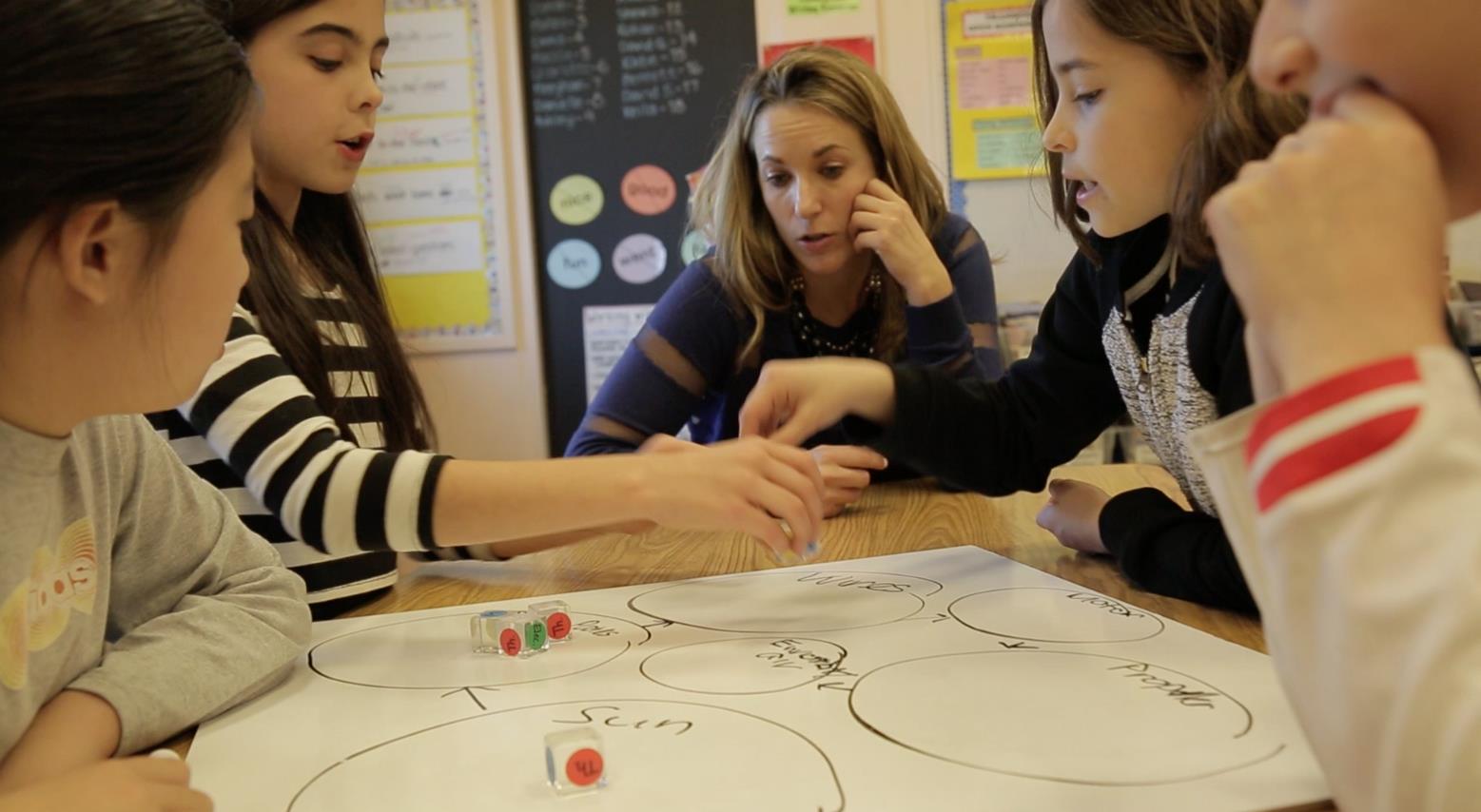
and elsewhere, I have also been involved in efforts to improve science
curricula and teacher preparation in the elementary grades. Currently I am active in the Focus on Energy project
to develop and implement a learning progression
for the teaching and learning of energy concepts in elementary and
middle school.
In collaboration with
colleagues at TERC
and elsewhere, I have also been involved in efforts to improve science
curricula and teacher preparation in the elementary grades. Currently I am active in the Focus on Energy project
to develop and implement a learning progression
for the teaching and learning of energy concepts in elementary and
middle school.
The Inquiry
Project, an NSF-supported
curriculum
development and educational research project, developed a new curriculum
for grades 3-5 aimed at investigating the properties of materials and
laying the groundwork for students' later exposure to
the atomic model
of matter.
I am currently Program Director for the Listening Project, an initiative funded by the Howard Hughes Medical Institute's Inclusive Excellence Initiative.
We seek to improve participation and persistence in science among
underrepresented groups by transforming the culture of science
instruction to one that elicits, welcomes, attends closely to, and
responds effectively to the nascent science ideas of all
students.
In my teaching at Tufts I work to incorporate the insights of Physics
Education Research by promoting active student engagement in classes at
all levels. You can view a brief interview about student
engagement here
.
On this page
you will find some interactive tools I've developed for teaching
various concepts in math and physics.
Click here
to read some letters to the editor relating to science education.
Top
Physics of Baseball
 I have a longstanding interest in the physics of
baseball, and frequently give talks on the subject.
I have a longstanding interest in the physics of
baseball, and frequently give talks on the subject.
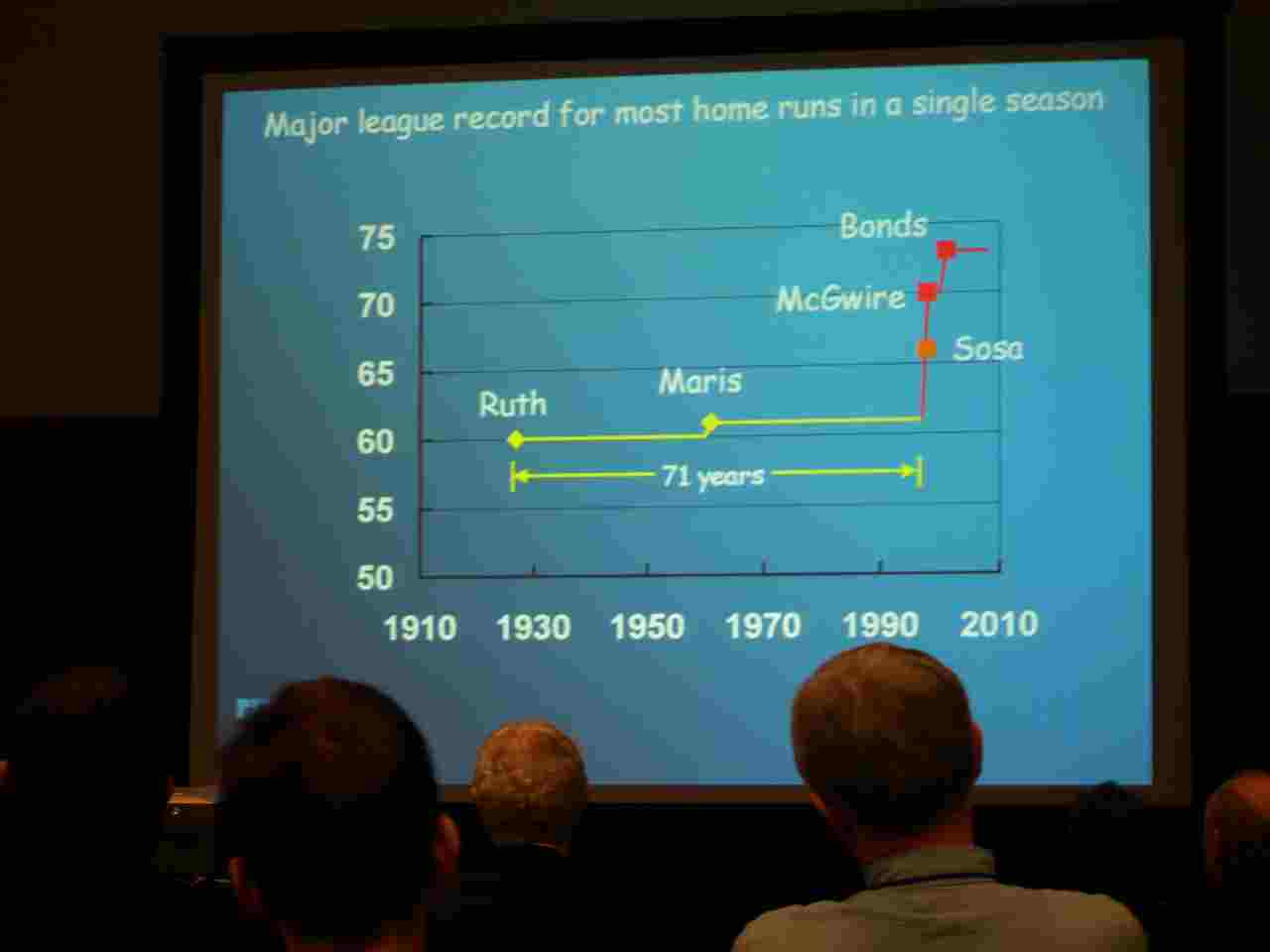
In 2008 I published an
analysis of the possible effects of steroid use on home-run production,
which was reported in the Washington
Post, Boston
Globe, Science
Daily, Physics
World,
and numerous other publications.
You can see a video of one version of my talk on steroids and home runs
here.
Top
Energy and
Climate Change
 I
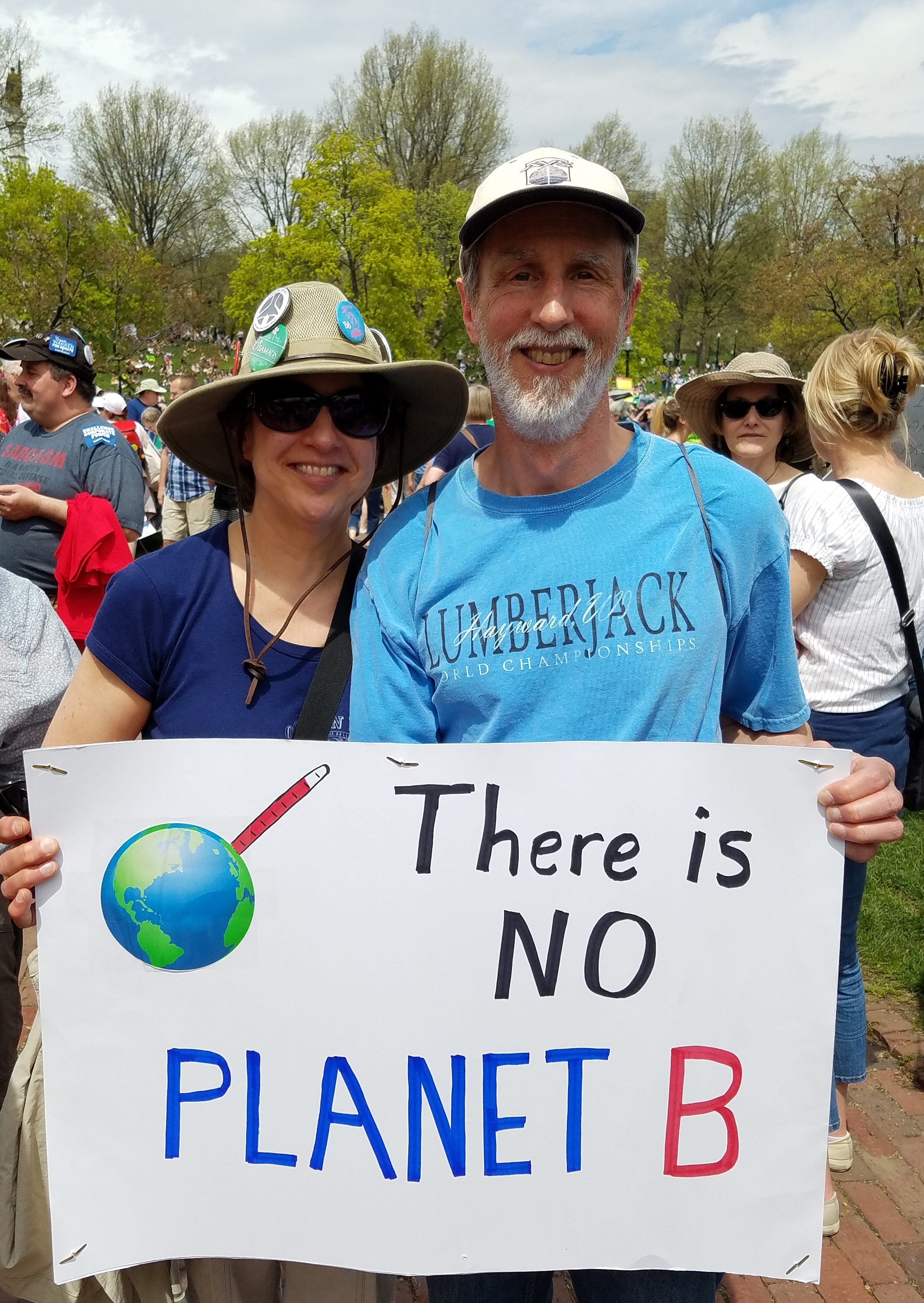
am convinced that over the next several decades the world will need to
make an dramatic transition from an economy based on the
extraction and consumption of abundant and inexpensive fossil fuels to
one based on renewable energy sources. This transition poses
extraordinary technical, economic, social and political challenges that
are only beginning to be fully recognized.
I
am convinced that over the next several decades the world will need to
make an dramatic transition from an economy based on the
extraction and consumption of abundant and inexpensive fossil fuels to
one based on renewable energy sources. This transition poses
extraordinary technical, economic, social and political challenges that
are only beginning to be fully recognized.
I have offered a seminar for my freshman advisees, focusing on
issues of energy and climate change, mainly from a scientific and
technical perspective.
Click here
to read some letters to the editor relating to energy and climate
change.
Top